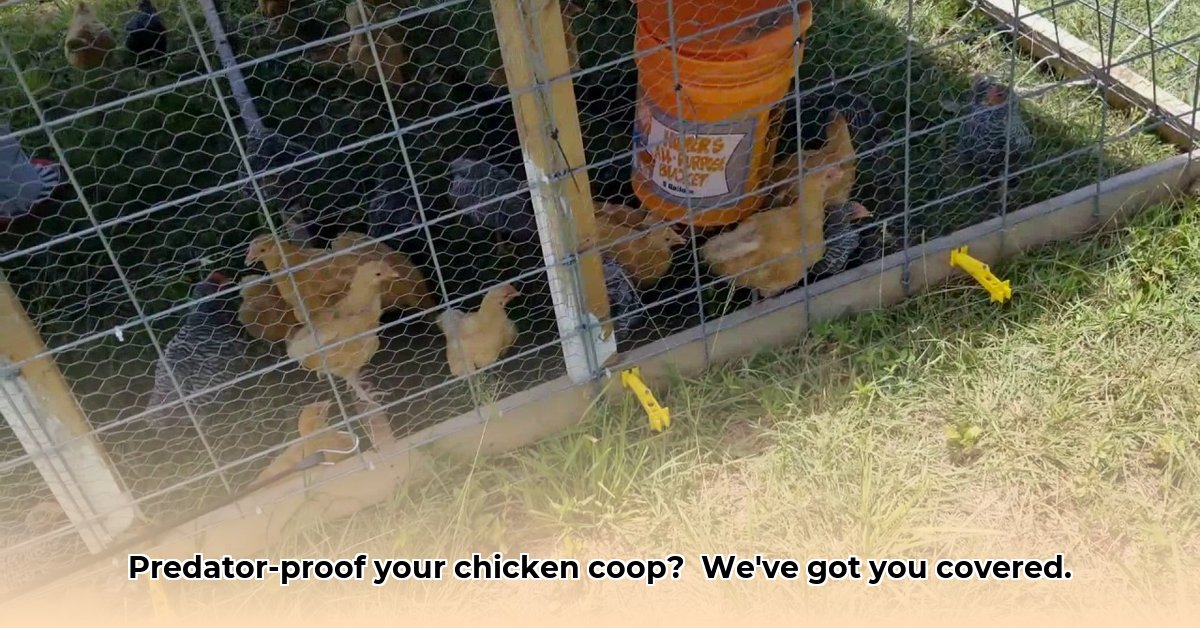
Protecting your chickens from predators is paramount. A well-designed chicken tractor offers a mobile, effective solution, combining fresh foraging with robust security. This guide provides a step-by-step approach to building a predator-proof haven for your feathered friends. For detailed PVC plans, check out these PVC chicken tractor plans.
Coops vs. Tractors: Making the Right Choice
Before construction begins, carefully consider whether a traditional coop or a mobile chicken tractor best suits your needs and local predator pressures.
Traditional Coops: Offer permanent, sturdy protection, ideal for larger flocks or areas with significant predator activity. However, they lack the mobility of tractors, which limits pasture rotation and can increase parasite risk.
Chicken Tractors: Provide a mobile solution, allowing for rotational grazing and reduced parasite buildup. Their portability makes it more difficult for predators to target your flock consistently. However, they require more frequent predator-proofing checks due to their mobile nature. For small flocks and rotational grazing, chicken tractors are frequently the superior choice. A larger flock or high predator density may point towards a stationary coop.
Building Your Unbreakable Chicken Tractor: A Step-by-Step Guide
This section details constructing a robust chicken tractor capable of withstanding determined predators.
Step 1: Gathering Your Supplies
High-quality materials are crucial. Forget flimsy chicken wire; your predator protection hinges on durable components.
- Hardware Cloth: 1/4" to 1/2" mesh size (provides strong protection against most predators).
- Lumber: Pressure-treated wood (for durability and weather resistance). Consider recycled lumber for a sustainable approach.
- Hinges & Latches: Heavy-duty, secure options (essential for preventing predator entry).
- Wheels & Axle: Select a durable set, capable of supporting the tractor's full weight.
- Roofing Material: Weather-resistant and strong (metal sheeting is a good option).
Step 2: Designing a Fortress
A strong, well-designed frame is paramount. Pay close attention to detail to prevent any potential entry points.
- Solid Frame Construction: Build a robust frame, securing all corners meticulously to prevent gaps.
- Elevated Floor: Raise the floor at least 12 inches off the ground to deter digging predators.
- Complete Enclosure: Wrap the entire structure, including the roof, with hardware cloth, leaving no openings. Thorough covering eliminates predator access.
Step 3: Securing the Entryway
Secure entryways are the last line of defense. Don't underestimate a predator's ingenuity!
- Heavy-Duty Latches: Use multiple robust latches and hinges to prevent forced entry. A double locking mechanism offers increased security.
- Reinforced Door: Construct a sturdy door from similar materials used for the rest of the tractor.
Step 4: Strategic Placement
Careful placement minimizes the risk of predation.
- Open Areas: Situate your tractor in open areas, minimizing predator hiding spots like tall grass or dense bushes.
- Regular Relocation: Regularly move the tractor to disrupt established predator patterns. This minimizes the likelihood of your chickens becoming a predictable target.
Going the Extra Mile: Enhancing Your Tractor's Defenses
Even a well-built tractor can benefit from additional layers of security. Consider these add-ons:
- Guardian Animals: A well-trained livestock guardian dog adds significant deterrence. However, proper training and supervision are key.
- Motion-Activated Lights: While not a failsafe, these deter some predators with their sudden brightness.
- Electric Netting: For persistent predator issues, electric netting adds a further layer of protection, but check local regulations and safety guidelines.
Holistic Predator Prevention: A Multifaceted Approach
Remember, a layered approach is most effective. Regularly inspect your tractor for damage, and maintain vigilance regarding predator activity in your area. A combination of a robust chicken tractor, supplementary security measures, and consistent vigilance will protect your flock effectively. The result? Peace of mind and happy, healthy hens!
Key Takeaways:
- A secure chicken tractor requires robust materials and meticulous construction to deter predators.
- Regular relocation is crucial to disrupt predator routines and minimize targeting.
- Multiple layers of protection — including guardian animals and additional deterrents — add significantly to the overall security of your flock.